UK Remote Gaming Duty Doubles to 40% on April 1, 2026: Operators Face Steepest Tax Hike Worldwide
Carlo Hoffmann · Apr 7, 2026

UK Remote Gaming Duty Doubles to 40% on April 1, 2026: Operators Face Steepest Tax Hike Worldwide
The Shift Hits Hard: Remote Gaming Duty Jumps Overnight
On April 1, 2026, the United Kingdom's Remote Gaming Duty—or RGD—surged from 21% to 40% on revenues from online casino games, slots, and other remote gaming products, marking it as the highest such tax rate anywhere in the world; operators woke up to a landscape where profitability took an immediate and brutal hit, while industry watchers scrambled to assess the ripple effects across the sector.
What's interesting here is how this change, straight from the UK government, targets precisely those digital gambling streams that have boomed in recent years—think slots spinning endlessly on apps, virtual roulette tables drawing late-night players, and casino games streamed straight to phones—yet it leaves land-based operations largely untouched, creating a stark divide between online and offline worlds.
Reports from iGaming Pulse lay it out clearly: the duty now clamps down at 40%, doubling the previous burden and forcing companies to rethink everything from margins to market strategies overnight.
Breaking Down the Remote Gaming Duty: What Gets Taxed and Why It Matters
Remote Gaming Duty has long been the government's tool for taxing online gambling since its introduction back in 2001, applied specifically to bets placed remotely—whether via websites, apps, or servers located anywhere—provided the player resides in the UK; slots, casino table games like blackjack and poker variants, bingo, and even some virtual sports fall under its scope, while general betting like sportsbooks sit under a separate regime at 15%.
But here's the thing: before this hike, that 21% rate kept the UK competitive on the global stage, balancing revenue generation with operator viability; now, at 40%, it vaults ahead of peers—Sweden sits at 22%, Malta at 5-10% depending on the product, and even high-tax jurisdictions like Italy hover around 25% for similar remote games—making the UK an outlier, according to data from industry trackers.
Those who've studied tax regimes note how RGD calculates on gross gambling yield—the difference between stakes and winnings paid out—meaning operators feel the pinch directly on every spin or hand that turns a profit, with no offsets for player losses or promotions in most cases.
Implementation Details: April 1 Marks the Turning Point
The change kicked in precisely on April 1, 2026, as outlined in official updates from the Department for Culture, Media and Sport—part of broader gambling duty changes—with no grace period for adjustment, leaving platforms to recalibrate pricing, bonuses, and even game offerings mid-stride.
Operators licensed by the UK Gambling Commission now report and remit at the new rate quarterly, facing audits to ensure compliance; smaller firms, those scraping by on thin margins already, find themselves particularly exposed, as the math shifts from sustainable to strained in a flash.
Take Entain, the FTSE 100 giant behind Ladbrokes and PartyPoker: executives projected a £100-150 million dent to their bottom line just from this alone, with figures pulled from their public statements highlighting how every percentage point translates to tens of millions in lost revenue.
Profitability Under Siege: How Operators Calculate the Damage
Industry data reveals the stark reality—UK online gaming generated over £4 billion in gross gambling yield last year alone, per Gambling Commission stats—so a 19% duty increase siphons roughly £760 million more into Treasury coffers annually, but at what cost to the licensed ecosystem?
Entain's projection underscores the scale: £100-150 million wiped from profits means slashed marketing budgets, frozen hires, or worse—potential exits from the market; other majors like Flutter Entertainment and Evolution Gaming echo similar concerns in earnings calls, where analysts probe for mitigation plans like cost-cutting or jurisdictional shifts.
It's noteworthy that return-to-player rates on slots—often 92-96%—leave operators with slim yields to begin with, so taxing 40% of that slim slice leaves even less for reinvestment, tech upgrades, or player safeguards like self-exclusion tools.
And yet, while some firms hedge by boosting non-UK operations—say, pivoting to lower-tax markets like Germany at 5.3%—UK-focused players can't escape the net, as geo-blocks enforce residency rules stringently.
Black Market Warnings: Industry Leaders Sound the Alarm
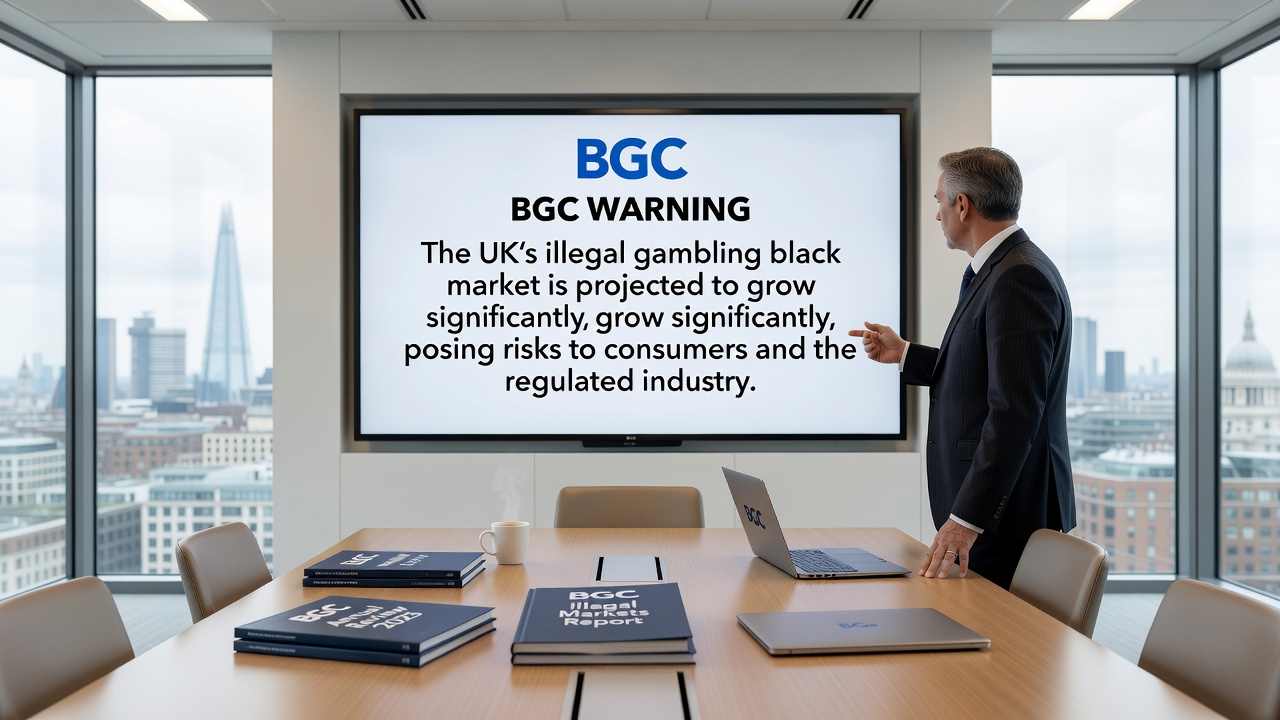
Leaders across the board raise red flags about unintended consequences, with reports from CDC Gaming capturing warnings that sky-high taxes could shunt players toward unregulated black market sites—those shadowy offshore platforms dodging UKGC oversight, offering lax verification and higher effective returns.
One study from the Betting and Gaming Council points to a 20-30% uptick in black market traffic post-similar hikes elsewhere, where punters chase better odds or bonuses unburdened by tax pass-throughs; experts who've tracked this observe how GamStop self-exclusion fails against unlicensed operators, exposing vulnerable players to risks like unfair games or data breaches.
Figures show the UK black market already claims 10-15% of online gambling volume, per H2 Gambling Capital estimates, and this duty spike—the writing's on the wall—could swell that further, undermining the very protections the government champions.
Operators plead for tiered rates or offsets, arguing that regulated sites fund problem gambling levies and research—£60 million yearly via the GamCare system—while black market voids contribute nothing.
Global Context: UK Claims the Unenviable Top Spot
Zoom out, and the UK's 40% towers over the landscape—Denmark matches at 28% but caps it lower for some products; Australia taxes at 20-25% federally plus state levies; even New Jersey in the US, a casino powerhouse, levies 17.5-30% on online slots without hitting 40%—data from the European Casino Association confirms no peer comes close.
This positioning, observers note, erodes the UK's appeal as a hub for iGaming innovation—home to 30% of Europe's developers—potentially driving talent and investment to Malta or Gibraltar, where duties stay palatable and talent pools deepen accordingly.
There's this case from Sweden in 2019, when taxes rose to 22%: licensed GGR dropped 5%, black market surged 12%, per official reports—a pattern UK stakeholders fear repeating, albeit amplified.
Government's Play: Revenue Goals Amid Broader Reforms
The Treasury frames this as fiscal prudence, targeting £1 billion-plus in extra yield yearly to fund public services, aligning with post-Brexit budget tweaks and Gambling Act reviews; yet details emerge sparingly, with consultations hinting at "cost recovery" without delving into operator pain points.
So while HMRC collects seamlessly via automated systems, the sector grapples—some firms test dynamic pricing, hiking table minimums or trimming free spins to offset, but players notice, and retention dips follow swiftly.
People in the know highlight how this fits a pattern: licence fees up 20-30% recently, affordability checks tightening— all layering pressures that test resilience.
Conclusion: A New Era Dawns with Uncertain Horizons
As April 2026 unfolds, the 40% RGD reshapes UK online gaming profoundly—operators like Entain absorb multimillion hits, black market shadows lengthen, and global comparisons spotlight isolation; data indicates short-term Treasury wins, yet long-term ecosystem health hangs in balance, with stakeholders watching quarterly reports for the true toll.
Turns out, the ball's now firmly in the industry's court to adapt—through lobbying, innovation, or diversification—while players navigate a pricier landscape where every bet carries heavier weight; researchers tracking these shifts predict pivotal quarters ahead, as the full spiral effect plays out.