UK Government Declines Lords Committee Call for Broad Gambling Ad Restrictions
Theo Werner · Nov 27, 2026

UK Government Declines Lords Committee Call for Broad Gambling Ad Restrictions
The UK government has turned down a recommendation from a House of Lords committee that called for a full ban on gambling advertising, and officials explained that such a measure would fail to reach the individuals facing the highest levels of risk while also creating side effects across related industries. They noted that a blanket prohibition could blur the lines between regulated companies and unlicensed operators, making enforcement more complicated for consumers who seek legitimate platforms. Instead the response highlighted continued backing for the Advertising Standards Authority along with its CAP Code, and ministers indicated they would examine options to address gaps in legislation that currently restrict their ability to oversee online promotions.
Background on the Committee Recommendation
The House of Lords committee advanced its proposal through the follow-up inquiry titled Gambling Harm: Time for Action, which examined various regulatory steps aimed at reducing exposure to gambling messages. Committee members argued that existing rules left too many avenues open for promotional content to reach vulnerable audiences, and they suggested a comprehensive prohibition represented the most direct route to limiting those contacts. Government analysis of the same evidence reached a different conclusion, however, and pointed out that targeted interventions already in place through the ASA framework offered more precision than an across-the-board restriction.
Key Arguments Presented by Officials
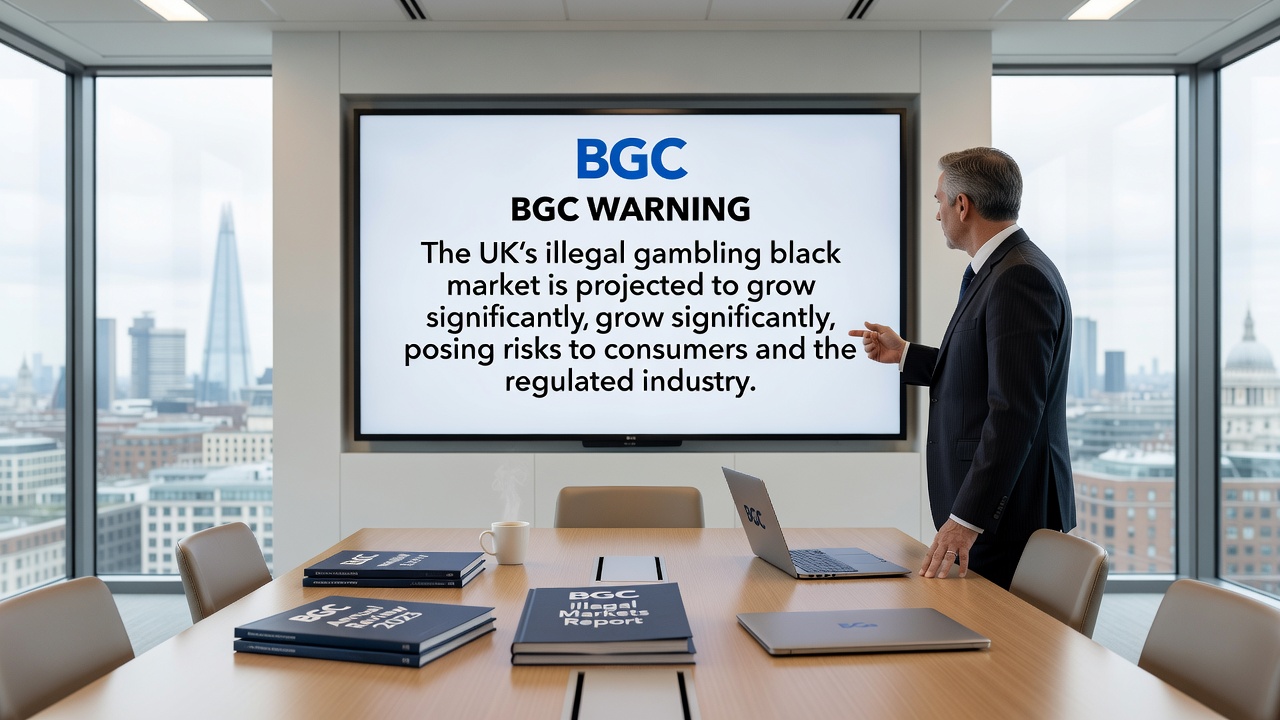
Ministers stated that a total ban would not concentrate resources where they matter most because many people already exposed to gambling marketing do not fall into high-risk categories. They added that such a policy could trigger unintended consequences for sectors that rely on advertising revenue streams connected to media and sports sponsorship arrangements. Another concern centered on market clarity: without visible licensed operators, individuals might struggle to identify compliant services and could drift toward unregulated alternatives that operate outside UK oversight. These points formed the core of the formal reply, which balanced public protection goals against practical enforcement realities.
Support for Existing Regulatory Structures
The government reaffirmed its confidence in the Advertising Standards Authority and the CAP Code as effective tools that already set clear boundaries on how gambling content appears across television, radio, print, and digital channels. Those standards require advertisers to avoid content that appeals to children, to include responsible gambling messages, and to restrict placements near youth-oriented material. Officials observed that strengthening enforcement within this established system would deliver quicker results than introducing new legislation from scratch, and they pointed to ongoing monitoring data that shows compliance rates have improved in recent years. At the same time they acknowledged that online advertising presents unique challenges because some promotional activities fall outside current ministerial powers, prompting the commitment to explore legislative fixes that close those specific loopholes without disrupting the broader framework.
Next Steps for Legislative Adjustments
Work will now focus on identifying precise amendments that expand ministerial authority over online gambling promotions while preserving distinctions between legal and illegal operators. This approach allows regulators to impose additional requirements on licensed entities without applying the same rules to unlicensed sites that already ignore existing laws. Discussions are expected to involve the Department for Culture, Media and Sport along with the Gambling Commission and the ASA, and any proposed changes would undergo consultation before implementation. Observers note that this measured route avoids the wholesale disruption a ban would create yet still addresses gaps that have widened as digital platforms evolve.
Conclusion
The government response sets out a clear preference for refining current oversight mechanisms rather than adopting a sweeping prohibition, and it directs attention toward practical measures that maintain consumer visibility of licensed services. By committing to close specific legislative gaps around online ads, officials aim to strengthen protections without the broader economic ripple effects that a total ban would generate. The decision keeps the ASA and CAP Code at the center of the regulatory landscape while opening a pathway for targeted updates that reflect changes in how advertising reaches audiences today.