UK Casino Market Evolves Rapidly With Mobile Tech and Fresh Regulatory Frameworks
Greta Wolf · Aug 25, 2026

UK Gambling Commission Enforces £150,000 Penalty on Holland Park Leisure Limited
The UK Gambling Commission has imposed a £150,000 fine on Holland Park Leisure Limited after the operator failed to register with a mandatory multi-operator self-exclusion scheme, and this action follows multiple prior warnings along with the submission of misleading information to regulators. Holland Park Leisure Limited runs three adult gaming centres located in Leicester city centre, and the enforcement targets non-compliance with Social Responsibility Code Provision 3.5.6 which requires participation in such schemes to protect vulnerable individuals. Observers note that the fine underscores ongoing efforts to strengthen consumer safeguards across land-based gambling venues throughout the United Kingdom.
Details of the Regulatory Breach
Holland Park Leisure Limited operates adult gaming centres that provide gaming machines and other gambling facilities, yet the company did not join the required multi-operator self-exclusion scheme despite clear obligations under the Commission's licensing conditions. The scheme allows individuals who have self-excluded from one participating venue to extend that exclusion across multiple operators, and this mechanism aims to reduce the risk of problem gambling by creating broader barriers to access. According to the Gambling Commission, the operator received earlier notifications about the requirement but continued operations without completing registration while also supplying inaccurate details during compliance reviews.
Prior Warnings and Misleading Information Provided
Commission records indicate that Holland Park Leisure Limited received formal warnings on more than one occasion regarding its failure to join the scheme, and these communications outlined the specific steps needed to achieve compliance. Instead of addressing the gaps, the operator submitted information that regulators later determined to be misleading, and this sequence of events prompted the formal investigation that resulted in the financial penalty. Those who've examined similar cases know that repeated non-compliance combined with inaccurate reporting typically leads to escalated enforcement measures rather than additional advisory notices.
Focus on Land-Based Consumer Protection Measures
The enforcement action highlights the Commission's sustained attention to consumer protection standards in physical gambling locations, where self-exclusion tools function differently from online platforms that use systems such as GamStop. Adult gaming centres in city centres like Leicester attract regular foot traffic, and the absence of scheme participation can leave self-excluded individuals exposed to continued gambling opportunities across multiple sites. Data from regulatory reviews shows that multi-operator schemes improve exclusion effectiveness when all relevant venues participate, and the fine serves as a direct reminder to other land-based operators about their obligations in this area.
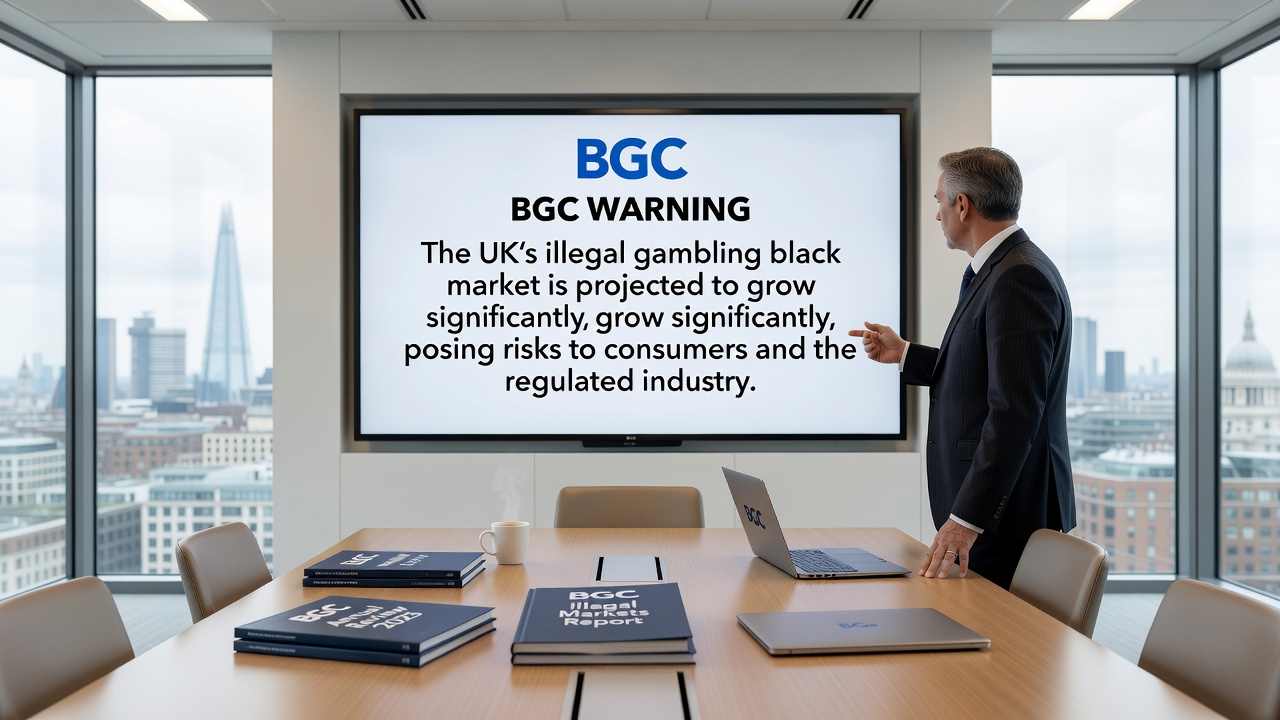
Regulatory updates scheduled for later periods, including potential adjustments around August 2026, continue to emphasise consistent application of self-exclusion rules across both online and offline sectors. The current case demonstrates that licensing conditions apply equally to smaller regional operators and larger national groups, and failure to meet these standards carries financial consequences regardless of venue size or location.
Broader Implications for Gambling Operators
Other licence holders operating adult gaming centres or similar premises have taken note of the Holland Park Leisure Limited case because it illustrates how the Commission tracks adherence to self-exclusion requirements through routine inspections and information requests. The penalty amount of £150,000 reflects both the duration of non-compliance and the additional factor of misleading statements, and similar fines have been issued in past years when operators neglected mandatory consumer protection protocols. Experts have observed that clear communication between operators and the regulator remains essential, particularly when technical or administrative challenges arise during scheme registration processes.
Land-based venues face distinct operational realities compared with remote gambling platforms, and the multi-operator scheme addresses those differences by enabling coordinated exclusion across competing businesses in the same geographic area. The Leicester centres affected by this decision now operate under heightened scrutiny, and any future compliance shortfalls could trigger further regulatory intervention including additional financial penalties or licence conditions.
Conclusion
The £150,000 fine imposed on Holland Park Leisure Limited confirms the Gambling Commission's commitment to enforcing self-exclusion participation across all licensed land-based operators. The case centres on a specific failure to register with the required scheme despite warnings and the provision of misleading information, and it provides a concrete example of how regulators apply existing code provisions to protect individuals who choose to exclude themselves from gambling activities. Operators in similar positions can review their own registration status against current requirements to avoid comparable enforcement outcomes.