Exposed: Vast Illegal Casino Network Targets UK Gamblers Despite Self-Exclusion Barriers
Theo Werner · Apr 1, 2026

Exposed: Vast Illegal Casino Network Targets UK Gamblers Despite Self-Exclusion Barriers
The Investigation That Lifted the Lid
A joint probe by The Guardian and Investigate Europe has unveiled a sprawling illegal online casino operation run by Santeda International, one that slyly draws in UK players through brands such as MyStake, Velobet, and Goldenbet; these sites, operating under lax Curaçao licenses, bypass UK regulations by exploiting affiliate marketing channels and even deploying AI-generated fake executives to mask their true controllers.
What's interesting is how this network zeroes in on gamblers who've already taken steps to protect themselves, particularly those enrolled in the GamStop self-exclusion scheme, pulling in a staggering 2.3 million unique UK visitors each month from November 2025 through January 2026 according to traffic data analyzed in the report; observers note that such volumes rival legitimate platforms, yet these operators dodge oversight by hosting servers offshore and frequently shifting domains.
And while the exposure hit headlines in April 2026, the activity had been ramping up unchecked for months, with affiliates—often UK-based influencers and websites—promoting the sites via bonuses and cashback offers tailored to lure back lapsed players who thought they'd opted out of gambling entirely.
How the Network Operates Under the Radar
Santeda International, the shadowy parent company, structures its empire across multiple brands that share backend software, payment processors, and promotional tactics, allowing seamless player migration when one site faces scrutiny; experts who've dissected similar setups point out that Curaçao eGaming licenses, while legitimate in their jurisdiction, hold no weight in the UK where operators must secure Gambling Commission approval to serve British customers legally.
Turns out the real puppet masters trace back to Georgian businessmen, connected through Upgaming AG—a Swiss-based software provider that supplied the platforms' tech until it abruptly cut ties following the investigation's spotlight in early April 2026; Upgaming's decision came amid growing pressure, but not before the network had embedded itself deeply into the UK market via targeted ads on social media and SEO-optimized content farms.
Those who've studied the affiliate angle reveal a web of over 500 UK promoters earning commissions on deposits and losses, with some partnerships hidden behind shell companies; it's noteworthy that AI tools generated executive profiles complete with LinkedIn pages and press releases, creating an illusion of transparency while real ownership stayed buried in Eastern European entities.
- Affiliate commissions structured on lifetime player value, incentivizing high-risk promotions.
- AI-faked executives listed on company registries to evade due diligence checks.
- Domain hopping: over 20 mirrors identified, each pulling similar traffic post-blocks.
But here's the thing—these tactics aren't new, yet their scale in targeting self-excluded players marks a bold escalation, as GamStop's database flags only licensed UK sites, leaving offshore operators free to advertise aggressively.
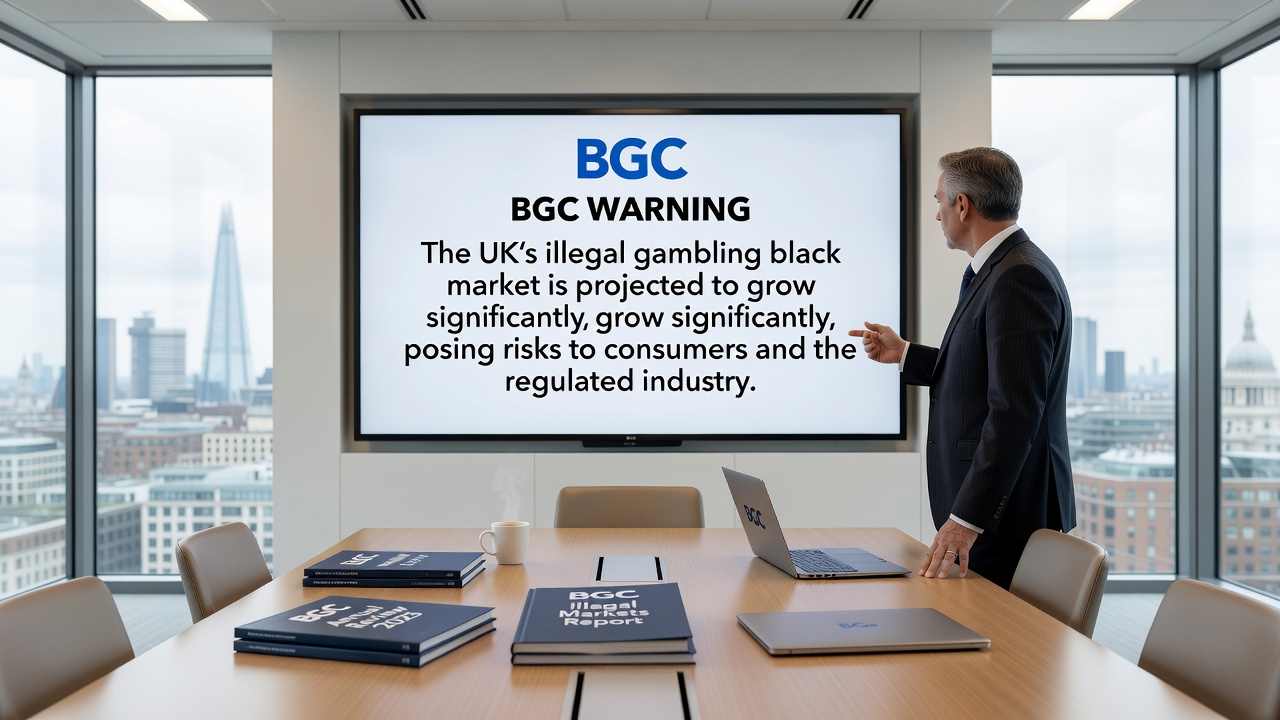
Reaching the Self-Excluded and Vulnerable
Data from the investigation shows how MyStake alone clocked 1.2 million UK visits monthly by January 2026, many from users blacklisted on GamStop who found fresh temptations via email blasts and Telegram channels; people often discover these sites through "GamStop alternative" searches, where affiliates rank high promising unrestricted play, although such moves expose players to unlicensed risks like unfair games and delayed payouts.
One case highlighted involves a UK punter who, after self-excluding in late 2025, racked up £50,000 in losses on Velobet within weeks, drawn by a 200% welcome bonus that affiliates hyped relentlessly; researchers tracking player forums note complaints surging around bonus wagering traps and account freezes, patterns consistent across the Santeda brands.
So while the network boasts flashy slots and sportsbooks, the reality is a funnel designed for maximum retention, using loyalty programs that mirror UK-licensed ones but without safeguards like deposit limits or reality checks mandated by the Gambling Commission.
Trail of Harm, Fraud, and Tragedy
The human cost emerges starkly in the report, with financial harm documented through player testimonies of drained savings and mounting debts; fraud allegations surface too, including chargebacks ignored and identities harvested for bonus abuse, while one particularly devastating incident—a gambler's suicide in January 2026—has been linked directly to Goldenbet activity, prompting family calls for accountability.
Figures reveal thousands affected, with average losses per player hitting £2,500 based on sampled affiliate data, and although operators claim responsible gambling tools, investigators found them cosmetic, easily bypassed with VPNs or new accounts; it's significant that MPs, reacting swiftly in April 2026 parliamentary debates, demanded beefed-up enforcement from the UK Gambling Commission, arguing current powers fall short against agile offshore networks.
Yet the suicide case underscores a broader pattern, as coroners' reports from similar incidents cite unlicensed sites' role in addiction spirals, fueling cross-party pressure for GamStop expansion to cover all global operators advertising in the UK.
UK Gambling Commission's Uphill Battle
Even with £26 million in fresh funding announced for 2026 and imminent domain plus IP blocking powers under the Gambling Act reforms, the Commission grapples with enforcement gaps; blocking one mirror site simply births another, as Santeda demonstrated by spinning up replacements within days of warnings, a cat-and-mouse game that's left over 100 illicit domains active as of April 2026.
Commission stats indicate 15,000 self-excluded UK players accessed offshore sites last year alone, a figure likely underreported, while international cooperation lags—Curaçao regulators, overwhelmed, rarely act on UK complaints; that said, recent Upgaming severance hints at cracks, with software providers wary of blacklisting risks that could tank their legitimate business.
Now experts observe that MPs' push includes proposals for affiliate liability, fining UK promoters who shill unlicensed brands, a move that could dry up the network's lifeblood; in the meantime, players report sites via the Commission's whistleblower portal, but response times stretch weeks amid backlog.
Conclusion: A Wake-Up Call for Tighter Controls
This Santeda exposé, breaking in April 2026, lays bare the vulnerabilities in UK gambling protections, where 2.3 million monthly UK hits signal a market ripe for exploitation; as Georgian links unravel and Upgaming distances itself, the focus shifts to regulators arming up with blocks and fines, although true victory demands global alignment against offshore evasion.
People who've followed these networks know the ball's in the Commission's court now, with MPs amplifying calls for action that could reshape the landscape; until then, self-excluded gamblers face ongoing lures, a reminder that tech-savvy operators stay steps ahead unless barriers harden fast.
And while the investigation wraps one chapter, its ripples—through policy debates and player alerts—promise shifts in how the UK tackles illicit casinos head-on.