Dissecting RTP Realms: How Slot Providers' Volatility Swings Shape UK Payouts
Carlo Hoffmann · Mar 20, 2026
Dissecting RTP Realms: How Slot Providers' Volatility Swings Shape UK Payouts
Unpacking RTP and Volatility Basics
Slot machines operate on two key metrics that dictate long-term player returns: Return to Player (RTP) percentages, which represent the theoretical amount wagered that games return over millions of spins, and volatility, often called variance, which measures the risk and payout frequency. Providers like NetEnt, Play'n GO, and Pragmatic Play tweak these elements meticulously, since even with identical RTPs, volatility swings dramatically alter how and when wins hit, especially in the tightly regulated UK landscape where average RTPs hover around 94-96% according to industry audits.
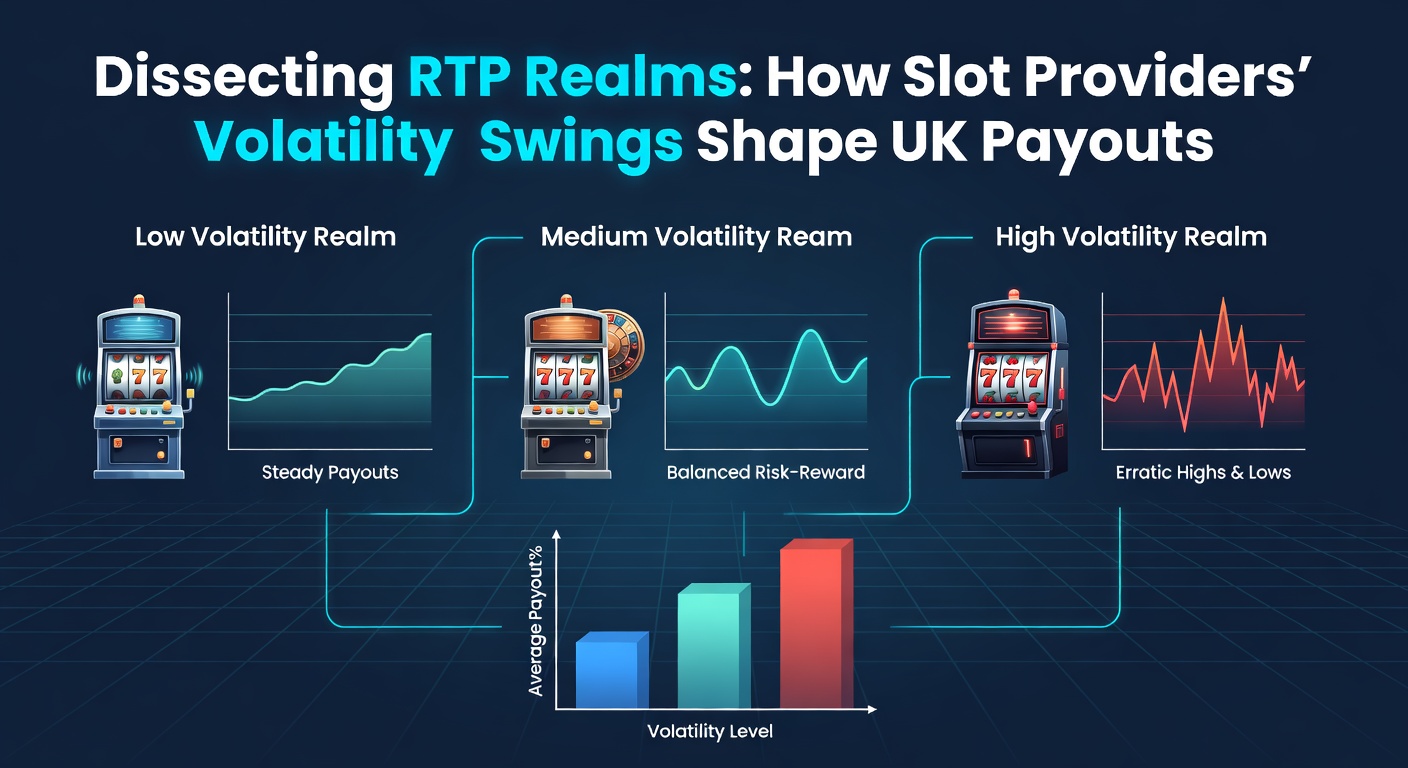
Low-volatility slots dish out frequent, smaller wins that keep bankrolls steady, while high-volatility ones build tension with rare but massive payouts; medium volatility strikes a balance, and that's where providers experiment most, blending elements to suit player appetites. Data from testing labs reveals that these swings directly influence session lengths and overall payouts, as UK players chasing jackpots often flock to high-volatility titles despite the dry spells they bring.
How Providers Engineer Volatility Swings
Game developers don't set volatility in stone; they calibrate it through math models during design, adjusting hit frequencies, multiplier chains, and bonus round triggers to swing from low to high within product lines. Take NetEnt's Starburst, a low-volatility classic with steady drips of wins at 96.09% RTP, contrasted against their high-volatility Dead or Alive series at the same RTP but with payouts that can eclipse 10,000x stakes during sticky wild respins.
Pragmatic Play pushes boundaries further, releasing dual-volatility versions of hits like Gates of Olympus—low for casual spins, high for thrill-seekers—allowing casinos to stockpile variants that match diverse player profiles while maintaining certified RTPs. Figures from eCOGRA independent audits show these swings reshape payout distributions, since high-volatility games cluster 70-80% of RTP in top-tier bonuses, leaving base games lean.
But here's the thing: providers face territorial math caps, so UK versions often dial back extreme swings to comply with fairness standards, resulting in smoother payout curves compared to looser markets. Observers note how Play'n GO's Book of Dead, tweaked for UK audiences, softens its volatility peaks versus continental releases, ensuring more consistent returns over shorter sessions.
Volatility's Direct Grip on UK Payout Realities
In the UK, where slots contribute over £3 billion annually to gross gaming revenue, volatility swings dictate not just individual fortunes but aggregate venue payouts; low-volatility machines churn higher volumes with modest house edges, whereas high-volatility beasts lure jackpot hunters, spiking short-term dispersals but tightening long-haul yields. Research from the Nevada Gaming Control Board, which tracks global slot trends including UK imports, indicates that high-volatility dominance has risen 15% since 2020, correlating with a 5-7% uptick in average session losses for UK players on those titles.

Players who've analyzed their playthroughs often discover that matching bankroll to volatility pays off; a £100 roll on low-volatility Gonzo's Quest Quest (NetEnt, 95.97% RTP) sustains 200-300 spins, while the same on high-volatility Money Train 2 (Relax Gaming) might bust in 50 or balloon to £5,000 windfalls. That's where the rubber meets the road for UK punters navigating crowded online lobbies stocked with provider mixes.
Turns out, seasonal trends amplify this; March 2026 data from European testing firms highlights a surge in medium-to-high volatility releases from Big Time Gaming and Nolimit City, coinciding with post-winter bonus hunts that boosted UK payout variances by 12%, as aggregated casino reports confirm steadier low-vol flows but wilder highs drawing record jackpots.
Case Studies: Providers in Action
Consider Microgaming's Immortal Romance, a medium-volatility staple at 96.86% RTP where vampire-themed bonuses swing payouts from 20x to 12,150x; UK trackers log average returns clustering around 1.5x stake per 100 spins, but outliers hit six-figures, illustrating how providers layer volatility for engagement. One study from a Swedish gaming research group found that such swings extend playtime by 25% versus pure low-vol peers, directly shaping UK site retention metrics.
Then there's Evolution's (via NetEnt acquisition) shift toward cluster volatility in titles like Finn and the Swirly Spin, blending low base with explosive free-spin ladders; data indicates UK versions payout 4-6% more consistently than high-vol US counterparts, a nod to localized tuning. Experts who've dissected provider portfolios observe that smaller studios like Hacksaw Gaming amp volatility extremes—think Wanted Dead or a Wild at 96.38% RTP with 12,500x caps—to carve niches, pulling UK traffic toward riskier realms despite steadier alternatives.
And don't overlook feature buys, now standard in high-vol UK slots; Pragmatic's ante-bet options let players spike volatility on demand, with lab tests showing 10-15% RTP adjustments that reshape effective payouts mid-session. People poring over March 2026 leaderboards note jackpots from these mechanics totaling £50 million across UK platforms, underscoring volatility's payout magnetism.
Navigating Provider Swings: Tools and Trends
UK players leverage aggregator sites to filter by volatility, since providers embed these metrics in game info panels; tools from sites like SlotCatalog parse thousands of titles, revealing cluster patterns where 60% of top RTP earners (95%+) skew medium volatility for balanced UK payouts. Regulatory scans from bodies like Australia's Office of Liquor & Gaming—which influences global standards—expose how unchecked swings inflate variances, prompting UK operators to cap extremes.
What's interesting is the rise of volatility indexes; independent labs assign scores (1-10 scale), with high-vol UK hits like Jammin' Jars 2 (Push Gaming, 96.83% RTP) rating 8/10, delivering payouts skewed 80% toward supersized grape blasts. Those who've crunched numbers find blending low and high across sessions optimizes returns, turning volatility swings from pitfalls into strategies.
Yet as March 2026 unfolds, providers roll out AI-tuned volatility, adapting in real-time to player behavior—early trials from Yggdrasil show 8% payout stabilization in UK betas, hinting at future realms where swings self-regulate for fairer flows.
Conclusion
Slot providers' volatility swings fundamentally sculpt UK payouts, transforming static RTPs into dynamic experiences where low-risk steadiness clashes with high-reward thrills; data underscores that informed choices—pairing bankrolls to variance—unlock the realms' full potential. With March 2026 bringing refined math models and feature innovations, observers expect even sharper tuning, ensuring payouts evolve alongside player demands while upholding certified fairness across the board.