Device Switch Synchronization with Reward Thresholds Across Gaming Ecosystems
Yara Powell · Oct 30, 2026
Device Switch Synchronization with Reward Thresholds Across Gaming Ecosystems
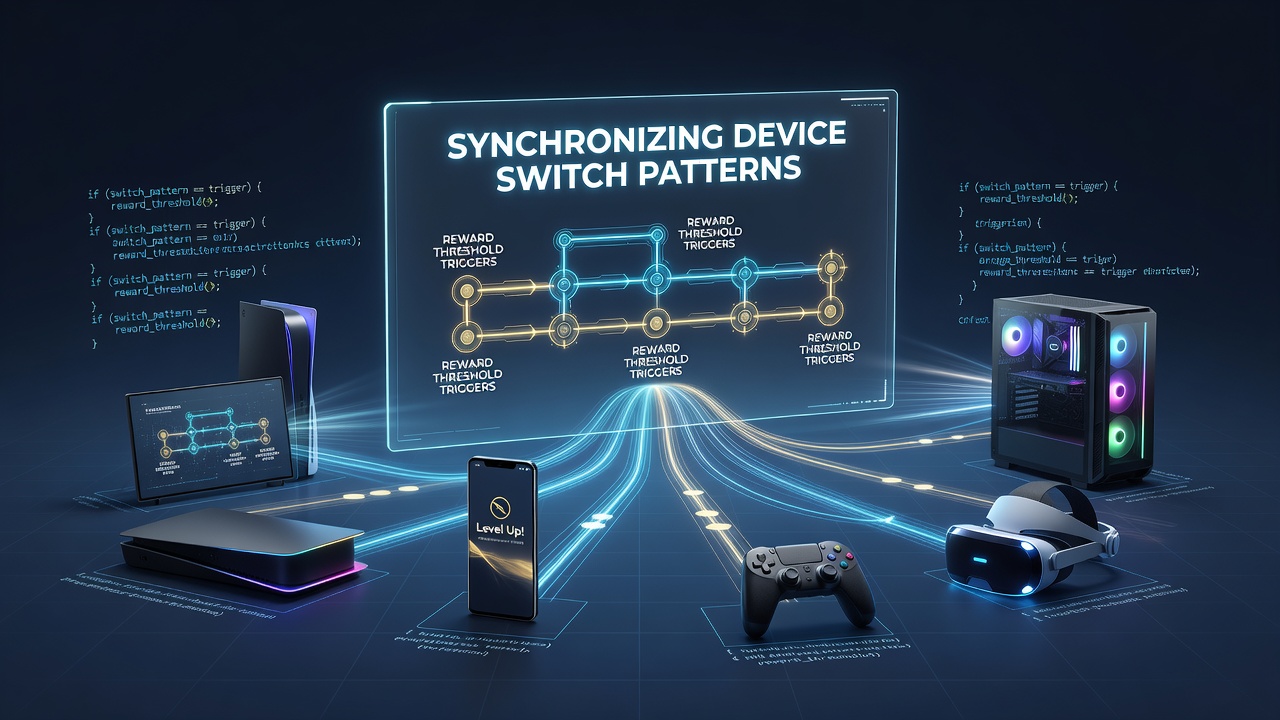
Device switching patterns have gained attention in digital gaming ecosystems as operators track how players move between mobile, desktop, and tablet interfaces to align with specific reward thresholds, and recent figures from October 2026 indicate that these transitions now influence activation rates for loyalty programs and bonus structures across multiple platforms. Observers note that systems log session data when users change devices mid-play, which then correlates with predefined reward milestones such as accumulated playtime or wager totals that unlock tiered incentives.
Observed Patterns in Platform Transitions
Research from industry reports shows that many participants initiate sessions on desktop computers for extended strategy phases before switching to mobile devices during travel or shorter intervals, and this sequence often coincides with reward thresholds that activate additional credits or multipliers once the system registers the change. Data from cross-platform analytics reveals higher synchronization success when players complete at least 60 percent of a session on one device before migrating, because algorithms monitor continuity to prevent fragmentation that might otherwise delay trigger events. Those who study these behaviors find that tablet use serves as an intermediate step in roughly 35 percent of documented cases, allowing seamless handoffs that maintain progress toward cumulative targets without resetting counters.
Technical Mechanisms Behind Threshold Triggers
Backend systems employ real-time APIs to detect device identifiers and session cookies, then apply conditional logic that releases rewards only after verifying consistent account activity across switches, whereas isolated logins on single platforms frequently fall short of activation criteria. Studies conducted by university research teams demonstrate that latency under 200 milliseconds during transitions improves trigger reliability, and operators have adjusted server architectures accordingly to support these flows. Figures reveal that ecosystems incorporating geolocation checks alongside device data achieve more precise threshold matching, reducing instances where rewards fail to deploy due to mismatched profiles.
Regional Variations and Data Insights
Reports compiled by the Australian Communications and Media Authority highlight how players in that region exhibit pronounced mobile-to-desktop shifts during evening hours, correlating with reward thresholds tied to daily login streaks, while Canadian provincial gaming analyses point to tablet prevalence in afternoon sessions that align with weekly accumulation bonuses. A University of Nevada study on player behavior documented similar trends in North American markets, noting that synchronized switches increased reward claim rates by measurable margins when users followed predictable device sequences. These patterns hold across different regulatory environments because the underlying data collection relies on standardized telemetry rather than jurisdiction-specific rules.
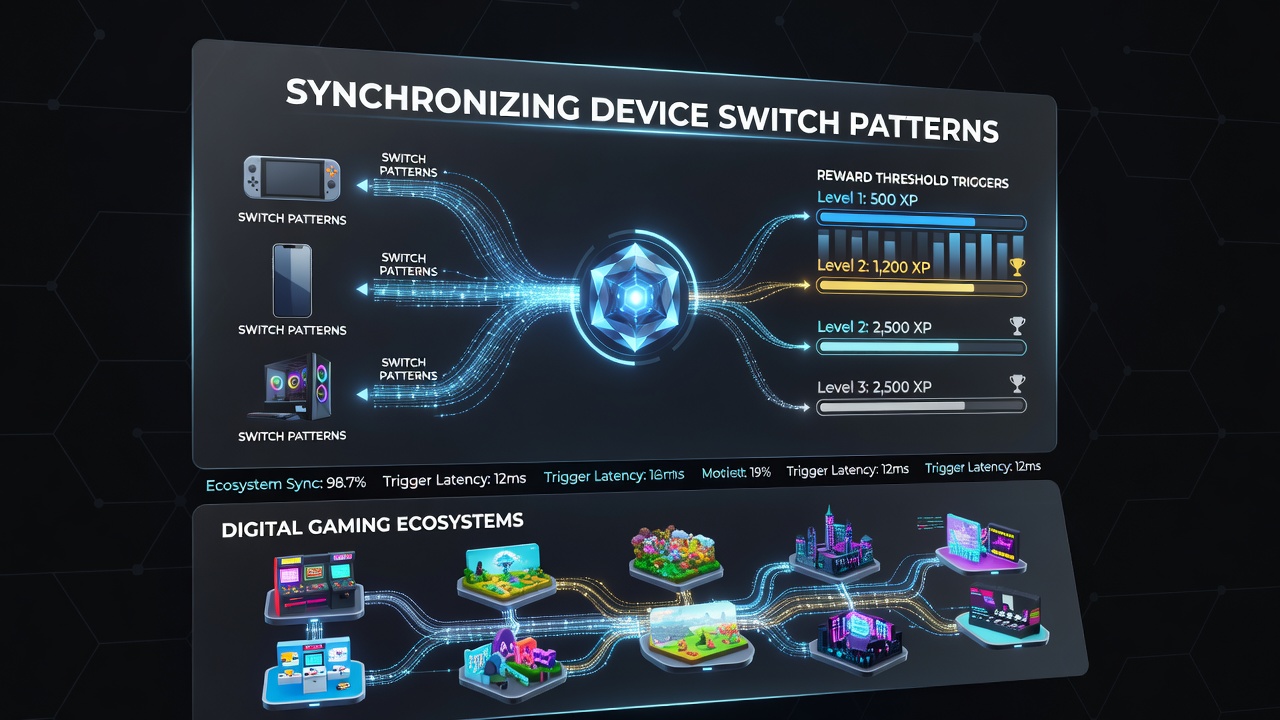
What's interesting is how October 2026 updates to platform APIs incorporated predictive modeling that anticipates likely device changes based on historical user data, allowing preemptive threshold adjustments that keep rewards accessible without manual intervention. Industry organizations such as the European Gaming and Betting Association have tracked these developments through aggregated statistics, confirming that ecosystems adopting such models report steadier engagement metrics over multi-device journeys.
Implementation Across Gaming Types
Slot and table game environments integrate these synchronization features differently than competitive multiplayer titles, because reward thresholds in the former often hinge on spin counts or hand volumes that carry over between devices, whereas the latter emphasize performance metrics preserved via cloud saves. Observers note that developers embed checkpoint systems at regular intervals so that partial progress toward a threshold survives a switch, and this approach prevents loss of momentum that could otherwise discourage continued play. Those who've examined session logs across ecosystems find that reward triggers fire most consistently when device changes occur after natural breaks, such as level completions or round endings, rather than during active sequences.
Future Developments and Monitoring
Continued refinement of these synchronization methods depends on expanded data sharing among platform providers, and analysts expect further integration with wearable devices by late 2027 to capture even finer transition details. Current evidence from October 2026 indicates stable adoption rates, with operators refining algorithms to account for network variability that sometimes interrupts the flow between devices. Research indicates that players who maintain consistent profiles across switches encounter fewer delays in reward distribution, supporting the broader infrastructure that underpins these digital gaming ecosystems.
Conclusion
Device switch synchronization with reward threshold triggers represents a growing operational focus in digital gaming ecosystems, where data collection and API coordination enable precise alignment of player movements with incentive structures. Patterns documented across regions demonstrate measurable impacts on activation success, and ongoing technical adjustments continue to support these interactions without disrupting user experience.