Betting and Gaming Council Issues Open Letter Urging Tech Platforms to Address Illegal Gambling Operations
Theo Werner · Jun 18, 2026

Betting and Gaming Council Issues Open Letter Urging Tech Platforms to Address Illegal Gambling Operations
The Betting and Gaming Council published an open letter on 17 June 2026 that calls on major technology platforms to strengthen their efforts against unlicensed gambling operators active across social media, search engines, messaging apps, and advertising networks. Grainne Hurst, the organisation's chief executive, signed the letter which outlines how these black-market sites reach UK users through digital channels while avoiding taxes and regulatory oversight. Observers note the timing aligns with ongoing discussions about the growth of illegal gambling activities that target both regular players and those who have self-excluded from licensed services.
According to the document the unlicensed operators exploit platform algorithms and advertising tools to promote their services directly to British consumers. The letter emphasises that these sites operate outside the UK regulatory framework which means they do not contribute to taxes or follow consumer protection standards required of licensed operators. Data from industry estimates shows the UK offshore gambling market reached stakes of £16.6bn in 2025 with significant portions attributed to illegal operators that continue expanding their reach.
Key Points Raised in the BGC Letter
The correspondence references the work of the DCMS Illegal Gambling Taskforce and stresses the need for improved detection systems along with greater investment in artificial intelligence and analytics tools by technology companies. Without coordinated action across platforms the letter warns that black-market gambling will keep growing and draw in more vulnerable individuals. The BGC points out that messaging apps and ad networks often serve as primary channels where operators promote their services to users who might otherwise remain within the regulated sector.
Those who've studied the issue observe that illegal sites frequently bypass self-exclusion registers maintained by licensed operators which leaves problem gamblers exposed to targeted promotions. The letter calls for better collaboration between tech firms and regulators to identify and remove content associated with unlicensed gambling activities. Researchers have found that rapid growth in these operations stems partly from the ease with which digital advertising can be scaled without traditional oversight mechanisms.
Industry Context and Regulatory Background
UK gambling regulations require licensed operators to meet strict standards on advertising, player protection, and tax contributions yet unlicensed entities operate beyond these controls. The BGC letter highlights how social media algorithms can amplify promotional content from illegal operators reaching audiences that include self-excluded players. Evidence suggests these platforms sometimes lack the robust filters needed to distinguish between licensed promotions and those from unregulated sources operating outside UK jurisdiction.
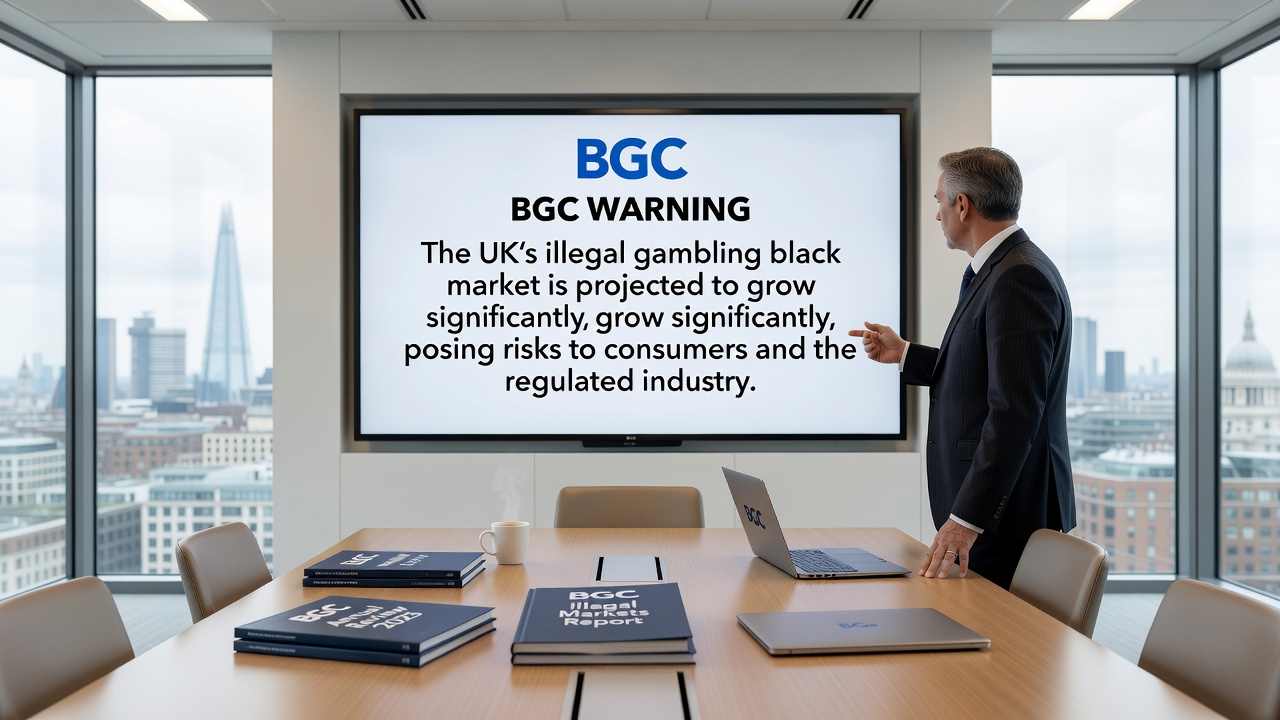
People familiar with the sector note that messaging apps have become particularly effective for operators seeking to maintain contact with users who have been blocked from mainstream advertising channels. The letter urges ad networks to implement stronger verification processes before approving gambling-related promotions which could reduce the visibility of unlicensed sites. Cross-platform data sharing receives specific mention as a necessary step toward identifying patterns that indicate illegal activity across multiple services simultaneously.
Figures reveal that without enhanced measures the black market continues to capture a growing share of gambling activity in the UK. The BGC emphasises that technology companies hold significant influence over the digital environment where these operators thrive and therefore bear responsibility for implementing practical solutions. The open letter serves as a formal request for dialogue and action rather than an isolated statement.
Response Expectations and Next Steps
The document stops short of prescribing exact technical requirements instead focusing on broad areas where improvement appears necessary including detection capabilities and collaborative frameworks. Experts have observed that similar calls from trade bodies often lead to working groups or pilot programmes aimed at testing new moderation tools. The BGC letter positions the issue as one that requires input from both the gambling sector and the technology companies that control digital distribution channels.
Those involved in regulatory discussions point out that the DCMS Illegal Gambling Taskforce has already identified several priorities around enforcement and platform responsibility. The June 2026 letter builds on this foundation by providing specific recommendations from an industry perspective. Observers note the emphasis on AI-driven solutions reflects current technological capabilities that could be deployed more widely if platforms allocate resources accordingly.
Conclusion
The Betting and Gaming Council's open letter of 17 June 2026 represents a direct appeal to technology platforms regarding their role in limiting the reach of illegal gambling operators. The document outlines concerns about consumer protection, tax evasion, and the expansion of unregulated sites that target UK users through digital channels. References to the DCMS Illegal Gambling Taskforce and calls for improved analytics and cross-platform cooperation form the core of the message signed by chief executive Grainne Hurst. Industry data on offshore market stakes provides context for the scale of the challenge described in the letter. The request for action remains focused on practical steps that platforms can take to address the issues raised.